If you have ever looked under the hood of a diesel truck, car, generator, or piece of heavy equipment, you may have wondered: do all diesel engines have turbos? The short answer is no. While turbochargers are extremely common in modern diesel vehicles and heavy-duty equipment, some diesel engines are designed to operate without a turbocharger.
Understanding the difference between turbocharged diesel engines and naturally aspirated diesel engines can help you make better decisions when buying, maintaining, or comparing diesel-powered equipment.
What Does a Turbo Do on a Diesel Engine?
A diesel engine turbocharger uses energy from the engine’s exhaust gases to drive a turbine connected to a compressor. The compressor forces more air into the engine, increasing the amount of oxygen available for combustion. With more air available, the engine can efficiently burn more fuel and produce greater power and torque.
This is particularly valuable for diesel trucks, commercial vehicles, construction equipment, and heavy-duty machinery, where strong low-end torque and high power output are essential.
Turbocharging can also allow an engine to produce substantial power from a relatively compact displacement, improving power density and helping manufacturers meet modern performance and efficiency requirements.
What Is a Naturally Aspirated Diesel Engine?
A naturally aspirated diesel engine, often called an NA diesel, does not use a turbocharger or supercharger. Instead, it relies on atmospheric pressure and the piston’s intake stroke to draw air into the cylinders.
These engines were much more common in older vehicles and remain useful in certain applications, including some agricultural equipment, generators, pumps, and industrial machinery. Their biggest advantages are mechanical simplicity, straightforward maintenance, and fewer turbo-related components.
The trade-off is lower power density. A naturally aspirated diesel generally cannot match the horsepower and torque potential of a similarly sized turbocharged diesel.
Why Are Most Modern Diesel Engines Turbocharged?
Modern diesel engines are commonly turbocharged because manufacturers need to balance power, efficiency, emissions, and engine size. A turbocharger supplies additional air, allowing more fuel to be burned efficiently while helping the engine deliver strong performance.
For modern diesel trucks and heavy-duty vehicles, turbocharging has become close to standard. However, saying that every diesel engine has a turbo would still be incorrect. Some specialized and older diesel engines continue to use naturally aspirated designs.
Turbocharged vs. Naturally Aspirated Diesel
The choice between the two depends on the intended application.
Turbocharged diesel engines generally offer:
- Higher horsepower and torque
- Greater power from a smaller engine
- Strong performance under heavy loads
- Better suitability for modern trucks and heavy equipment
Naturally aspirated diesel engines generally offer:
- Simpler mechanical design
- Fewer components to maintain
- Straightforward servicing
- Reliable performance in lower-power applications
Final Answer: Do All Diesel Engines Have Turbos?
No, not all diesel engines have turbochargers. Naturally aspirated diesel engines still exist, particularly among older vehicles and certain industrial, agricultural, and stationary applications. However, if you are looking at a modern diesel truck, commercial vehicle, or heavy-duty machine, there is a very good chance it uses a turbocharger.
Whether you are shopping for a used diesel truck, diesel engine, crane, boom truck, or heavy equipment, checking whether the engine is turbocharged is important because it can affect power output, maintenance requirements, operating characteristics, and overall equipment performance.


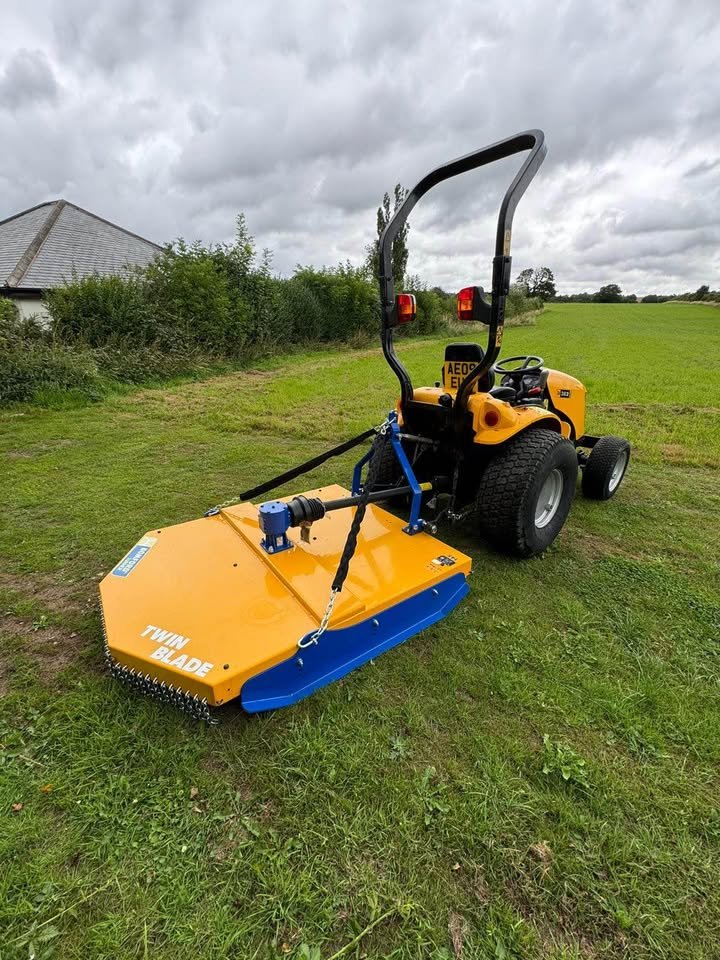 2009 JCB 323HST 23 HP 4 WD Compact Tractor + 2023 Bomford Turner 1.45 m Topper
£3,997.50
2009 JCB 323HST 23 HP 4 WD Compact Tractor + 2023 Bomford Turner 1.45 m Topper
£3,997.50
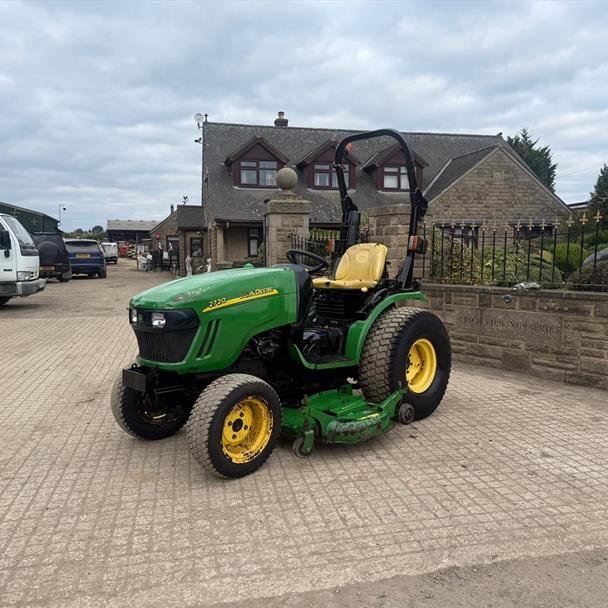 2013 John Deere 2720 27HP 4WD Compact Tractor with 62” Underslung Deck
£3,147.00
2013 John Deere 2720 27HP 4WD Compact Tractor with 62” Underslung Deck
£3,147.00
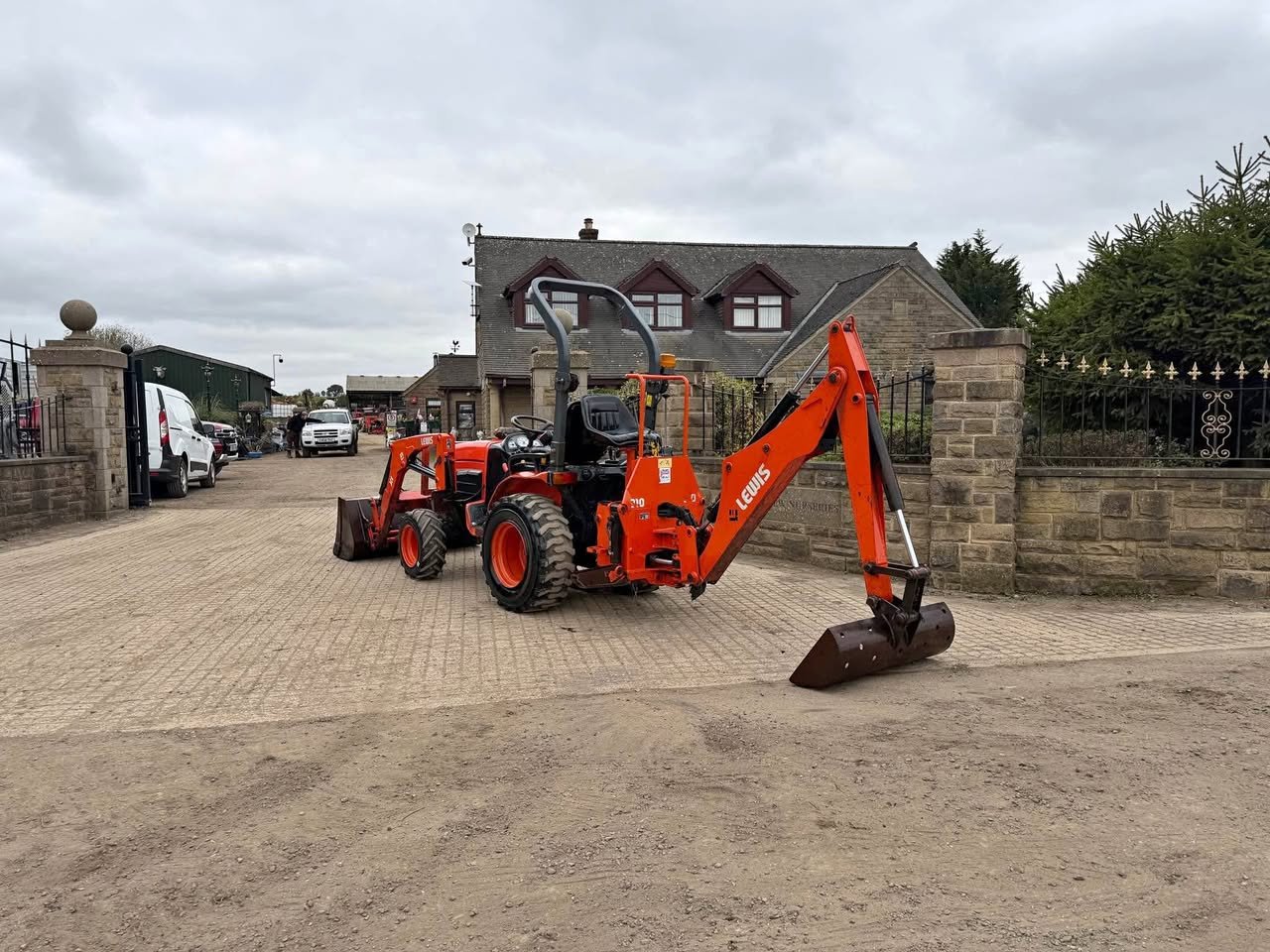 2013 Kubota B2530 25HP 4WD Compact Tractor with Lewis Front Loader and Backhoe
£5,997.00
2013 Kubota B2530 25HP 4WD Compact Tractor with Lewis Front Loader and Backhoe
£5,997.00
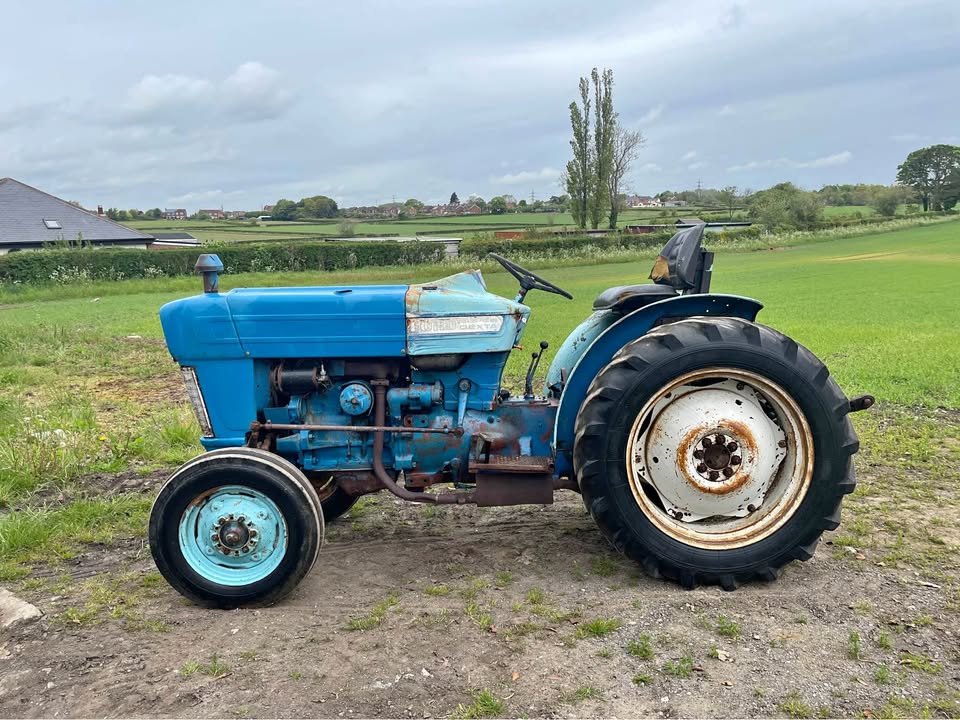 FORD 3000 SUPER DEXTA VINEYARD TRACTOR
£2,197.00
FORD 3000 SUPER DEXTA VINEYARD TRACTOR
£2,197.00


