If you’re researching how much a Kubota tractor weighs, the answer depends heavily on the specific model, configuration, tires, cab or ROPS setup, and installed equipment. Kubota produces everything from lightweight sub-compact tractors for residential property maintenance to larger compact and utility tractors designed for demanding agricultural work. As a result, Kubota tractor weight can range from well under 1,500 pounds to several thousand pounds.
Understanding tractor weight is important when you’re planning transportation, choosing a trailer, selecting implements, or determining how a tractor will perform on your property.
Kubota BX Series Tractor Weight
The Kubota BX Series is among the company’s smaller sub-compact tractor families and is popular for mowing, landscaping, gardening, snow removal, and general property maintenance.
Official Kubota specifications list the BX1880 at approximately 1,336 pounds with ROPS, the BX2380 at about 1,443 pounds, and the BX2680 at approximately 1,521 pounds. The BX23S, which includes a backhoe configuration, is heavier at approximately 1,600 pounds in the cited specification.
These figures illustrate why the BX platform is attractive to homeowners and small-acreage property owners. It provides useful tractor capability while remaining considerably more compact than larger agricultural tractors.
Read More: How to Use Compact Tractors for Property Maintenance
What About Kubota Compact Tractors?
Moving into Kubota’s larger compact tractor lineup, weight increases significantly. For example, the Kubota LX3520 is listed at 2,191 pounds in its standard configuration.
Kubota’s L Series represents another step up in size and capability. Depending on the exact model and configuration, L Series tractors can weigh substantially more than BX models. Kubota’s specifications show L02 Series models ranging from approximately 2,601 to 3,549 pounds with ROPS across the listed configurations.
This additional weight can provide greater stability and traction for demanding tasks, although it also means transportation and ground-impact considerations become more important.
Why Tractor Weight Matters
Knowing the Kubota tractor weight isn’t just useful for curiosity—it can be essential before transporting or operating the machine. If you’re planning to move your tractor on a trailer, you need to account for the tractor itself plus the weight of the front-end loader, bucket, mower, backhoe, ballast, and other attachments.
A tractor’s operating weight can therefore be considerably higher than its basic published tractor weight. Always check the exact manufacturer’s specification for your model and configuration before selecting a trailer or towing equipment.
Tractor Weight and Attachments
Attachments can make a major difference. A front loader and bucket add weight to the tractor, while a backhoe can add considerably more. Mowers, rotary cutters, box blades, snow blowers, rear blades, and other implements also contribute to the total load.
For example, Kubota’s BX specifications list the tractor weight separately from its loader and backhoe specifications, demonstrating why buyers should distinguish between base tractor weight and the complete operating


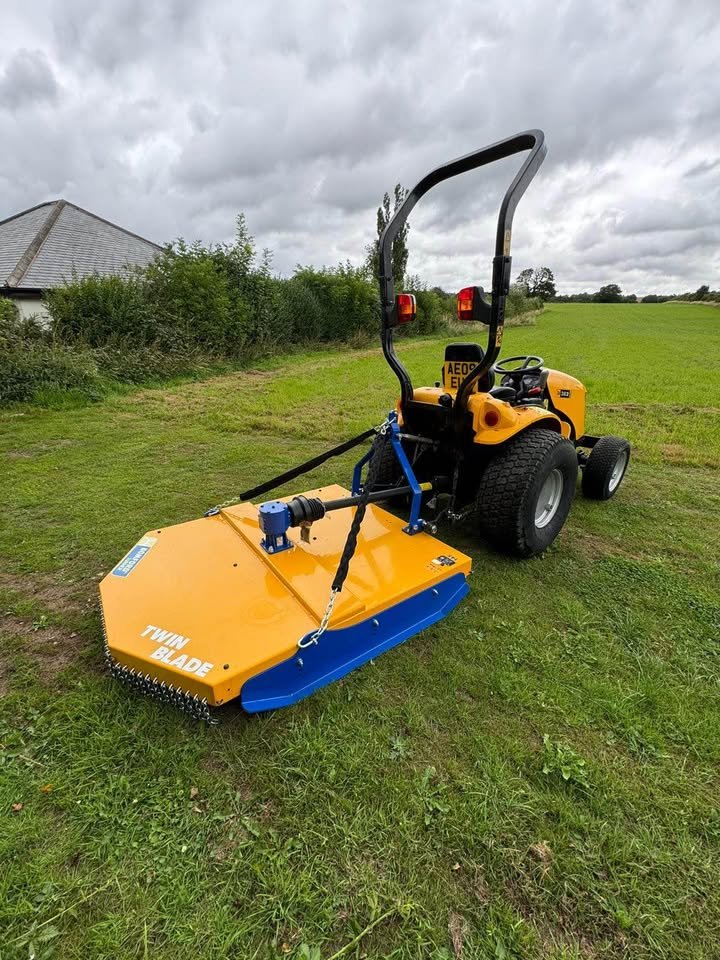 2009 JCB 323HST 23 HP 4 WD Compact Tractor + 2023 Bomford Turner 1.45 m Topper
£3,997.50
2009 JCB 323HST 23 HP 4 WD Compact Tractor + 2023 Bomford Turner 1.45 m Topper
£3,997.50
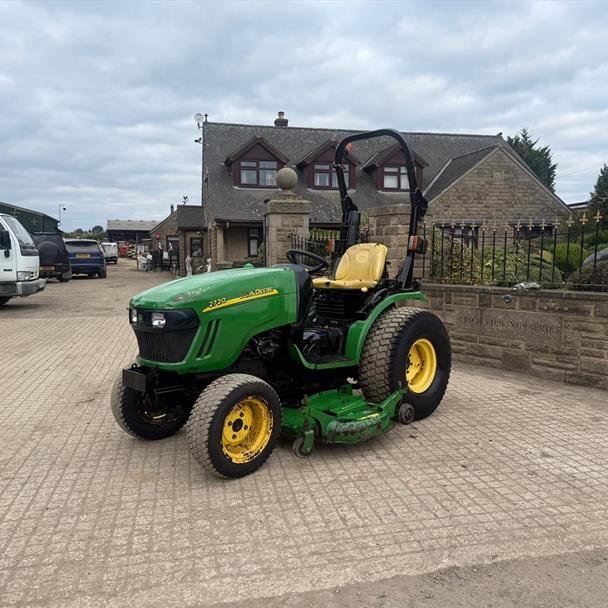 2013 John Deere 2720 27HP 4WD Compact Tractor with 62” Underslung Deck
£3,147.00
2013 John Deere 2720 27HP 4WD Compact Tractor with 62” Underslung Deck
£3,147.00
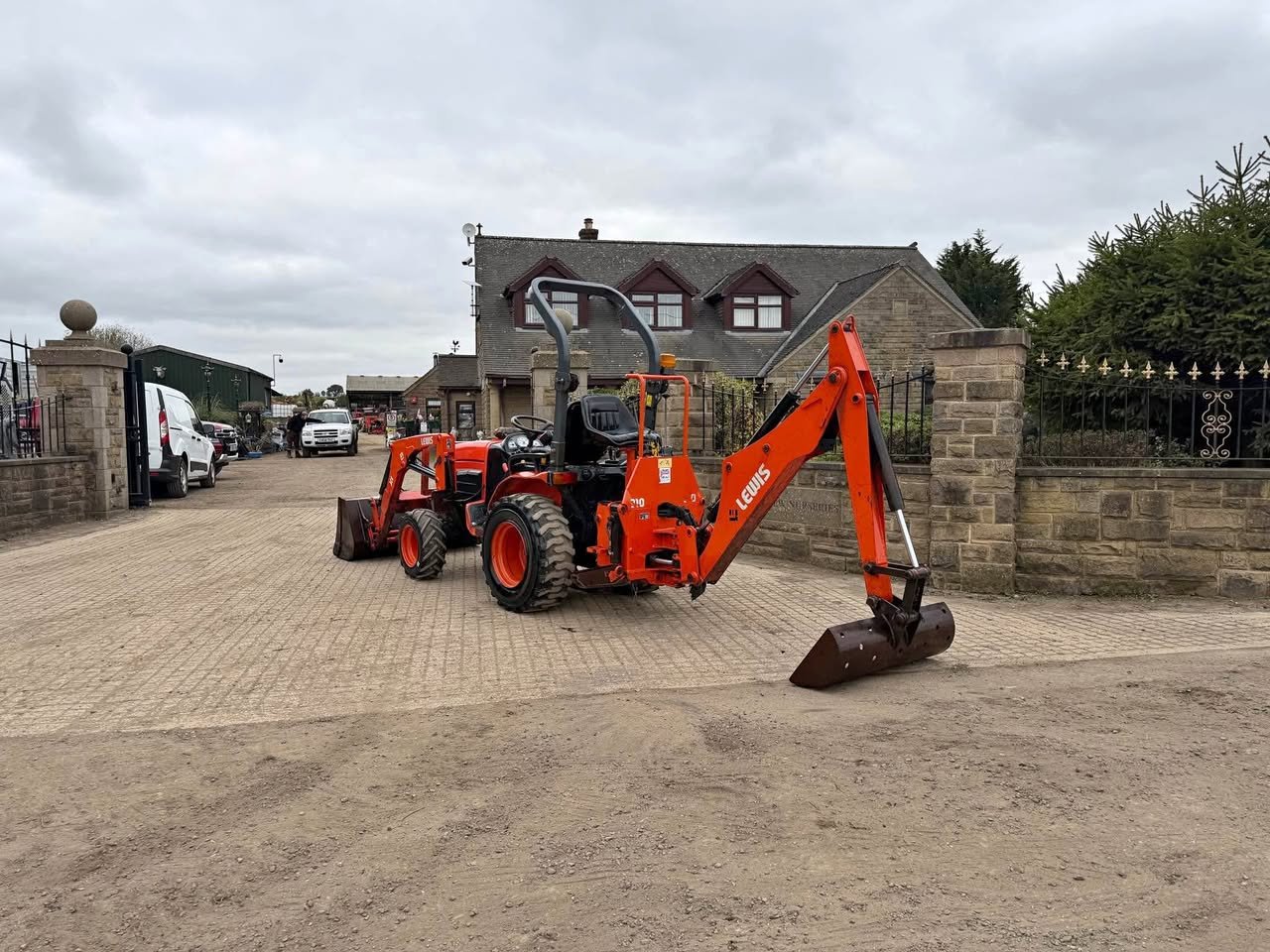 2013 Kubota B2530 25HP 4WD Compact Tractor with Lewis Front Loader and Backhoe
£5,997.00
2013 Kubota B2530 25HP 4WD Compact Tractor with Lewis Front Loader and Backhoe
£5,997.00
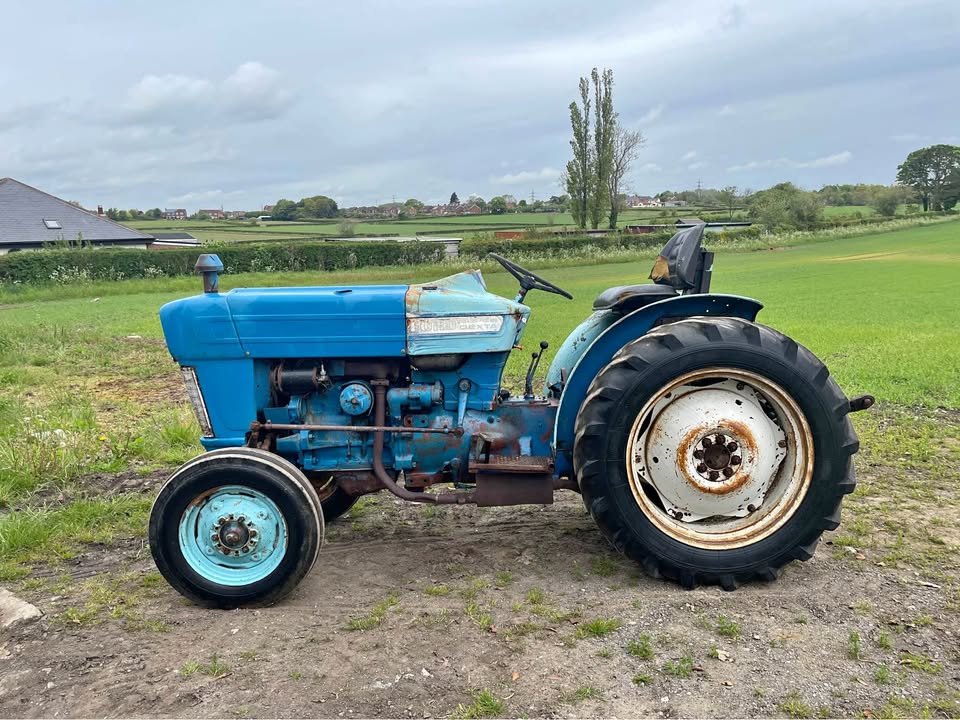 FORD 3000 SUPER DEXTA VINEYARD TRACTOR
£2,197.00
FORD 3000 SUPER DEXTA VINEYARD TRACTOR
£2,197.00


